


At the writing of this article, there is abundant consternation regarding managing and protecting our public lands. As a fifth-generation daughter of the American West, where the majority of public lands are located, I do think now is a good time to learn how public lands are managed and categorized.
Approximately 30% of the United States is designated as public lands. Does that sound high to you? Scientists believe we need to protect 30% of all land, fresh water, and oceans by 2030 to have ANY chance at stemming threats to biological diversity and preserving ecosystem services. Ecosystem services provide the air, water, food…well everything that makes earth habitable. By maintaining 30% of our land as public lands in the United States – we help meet that goal. However, knowing not all public lands have the requisite biodiversity and not all are protected for this purpose, we actually should be protecting MORE than 30%!
In the United States, we do have a GENIUS system for designating national public lands for multi-purpose. This system must be maintained, supported, and FUNDED.

National Parks
National Parks are managed by the National Park Service. They include the 63 ‘National Parks’ of which seeing them all is our family goal – and the main theme of this blog. In total, there are 433 National Park Sites, and they include a variety of different units including: National Battlefields, Military Parks, Historical Parks, Historical Sites, Lakeshores, Memorials, Monuments, Parkways, Preserves, Recreation Areas, Wild and Scenic Rivers, Trails, and Seashores. These sites conserve the national natural and cultural heritage for the benefit of current and future generations.
Sites may become part of the National Park Service either: through a congressional action; OR by presidential declaration via the Antiquities Act of 1906.
The president can proclaim National Monuments on lands or waters, and 25% of our national monuments have been designated this way. National Monuments are probably the most controversial of all National Park Service designations for this unilateral reason.

National Wildlife Refuges
These are managed by the Fish and Wildlife Service. While National Parks must work for the benefit of managing natural and cultural resources for the benefit of current and future generations, national wildlife refuges are specifically managed to conserve our fish, wildlife, and plants. There are approximately 560 sites, and there is at least one in every state. While they seek to safeguard populations and habitats, they also provide recreational opportunities.
Wilderness Areas
These are designated by Congress to ensure pristine wild land preservation. These lands attempt to preserve areas in their natural condition and prohibit activities like motorized vehicles, harvesting timber, grazing or mining. They can be managed as part of national parks, wildlife refuges or BLM (Bureau of Land Management) land. They often have special ecological, geological or scenic values.
National Forests
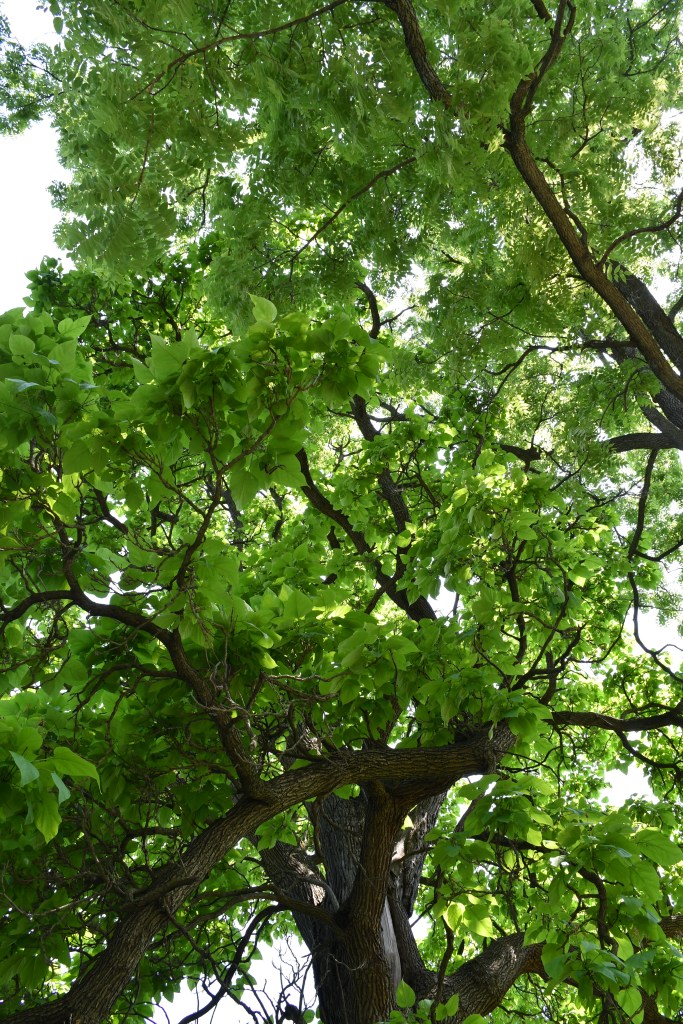
These are managed by the Forest Service. They are multi-use, where timber harvesting, cattle grazing, recreation and watershed protection exist simultaneously.
National Conservation Areas and Bureau of Land Management Lands
These are managed by the BLM. They are amongst the greatest multi-use where grazing, mining, recreation, and resource extraction occur. There are 901 federally recognized areas, and consist of 35 million acres, across 12 western states.
The Case Study of Indiana Dunes
Indiana Dunes is an exceptional case study for how and why public land receives a National Park designation. Historically, National Parks have been established due to the exceptional and heroic works of key individuals who found something unique and wonderful, working tirelessly for preservation – and that is certainly the case for this national park.

A visit to Indiana Dunes demonstrates the struggle between industry and preservation. Located along the coast of Lake Michigan, manufacturers found this location to be prime real estate. The dunes themselves, made of sand, were originally a targeted resource for glass manufacturers.
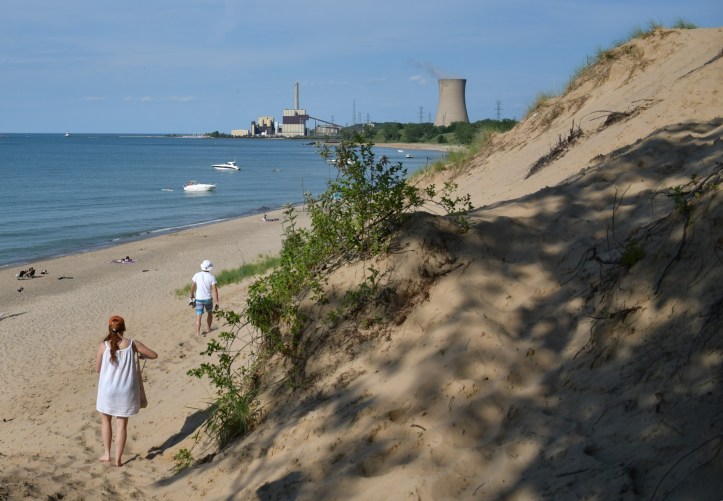
As early as 1916 there were petitions to establish Indiana Dunes as a National Park due to the unique plant succession and biology of the area.
In 1926, Indiana Dunes was established as a State Park and a portion of the desired land was saved. But the ‘Port of Indiana’ was eagerly sought after. A council was established to save the remaining dunes, and fundraising allowed the council to purchase some of the land they sought to preserve.
In 1958, the first bill to establish Indiana Dunes as a National Park was introduced. As the bills sat in committees, other land within the dunes area continued to be purchased and developed.
In 1962, 2.5 million cubic yards of sand from the commercially owned dunes were to be sent to Northwestern University and because there was still no national park designation, the wildest and largest portion of the dunes outside the state park was hauled away.
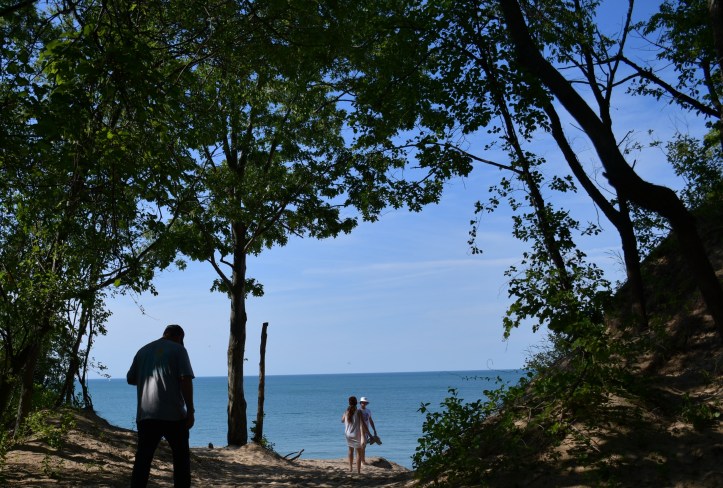
A compromise was finally made, and a designation of the lakefront was established, though most of the dunes themselves were not preserved. In 1966, 8,330 acres of land and water received the designation of Indiana Dunes National Seashore.
The Save the Dunes Council has worked tirelessly to expand the park size to 15,000 acres and in 2019, Indiana Dunes became the 61st ‘National Park’ finally garnering the designation sought for more than 100 years!
Why the Fight?
The biological diversity held within tiny Indiana Dunes National Park is FOURTH among all the national parks!!!
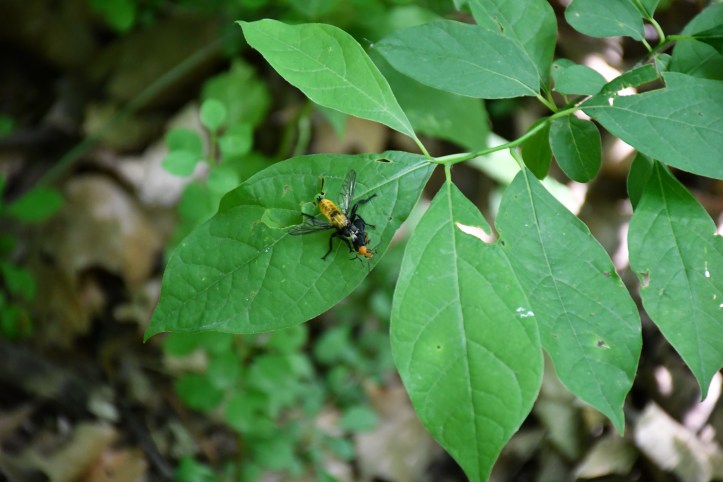
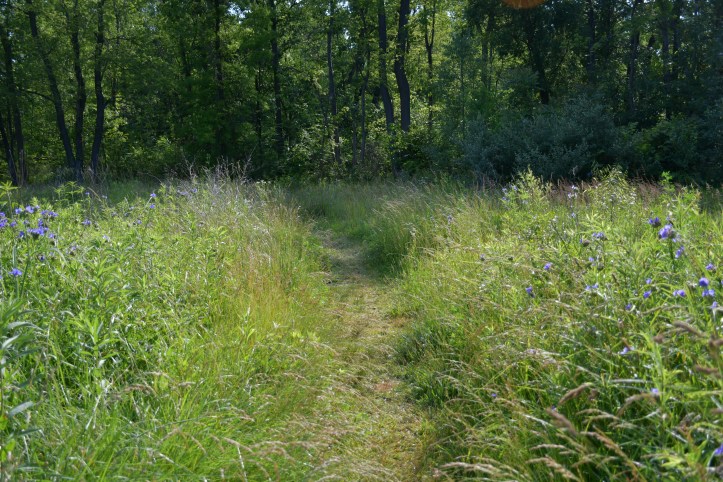
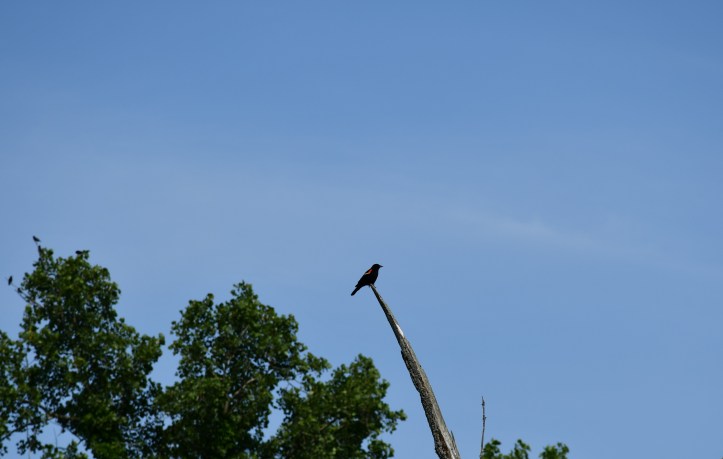
The ecosystems are what make this place so special, and worth a 100-year fight. Located within the 15,000 park acres are dunes, oak savannas, swamps, bogs, marshes, prairies, rivers and forests, as well as the shoreline. The area is an important feeding and resting area for migrating birds.
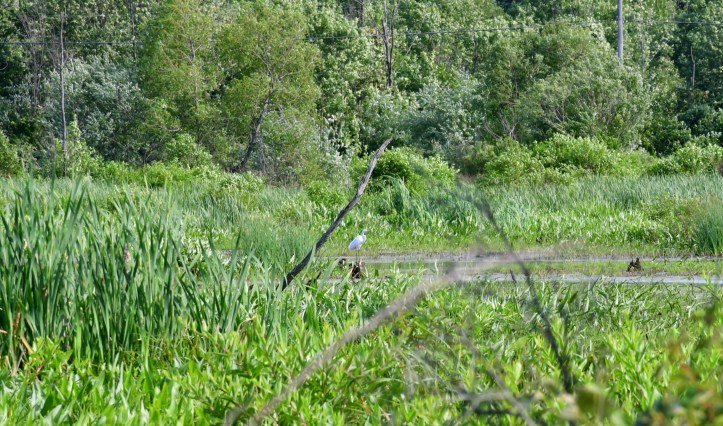
Why would conservationists want Indiana Dunes to be classified as a National Park?
Over 30 million people live within a 3-hour drive of Indiana Dunes National Park!
Preserving 15,000 acres as Indiana Dunes National Park means that 30 million people have access to a carefully managed and biologically diverse park. All can explore an area specifically designated for both their enjoyment and knowledge. Biodiversity is preserved so they can visit and witness for themselves. A new national park area must meet criteria for national significance, suitability, and feasibility.
When I think about the brilliance of our efforts to preserve these places, I am humbled in the extreme. I am awed by the giants who worked tirelessly for so many years so that my family could witness and see this unique place. We leave it knowing the special plants and animals that make it home will have the space to thrive for perpetuity!
Extra Tips:
Plenty of locals use the sandy beach on the weekends. It’s a prime location for enjoyment, arrive at the parking lots early.

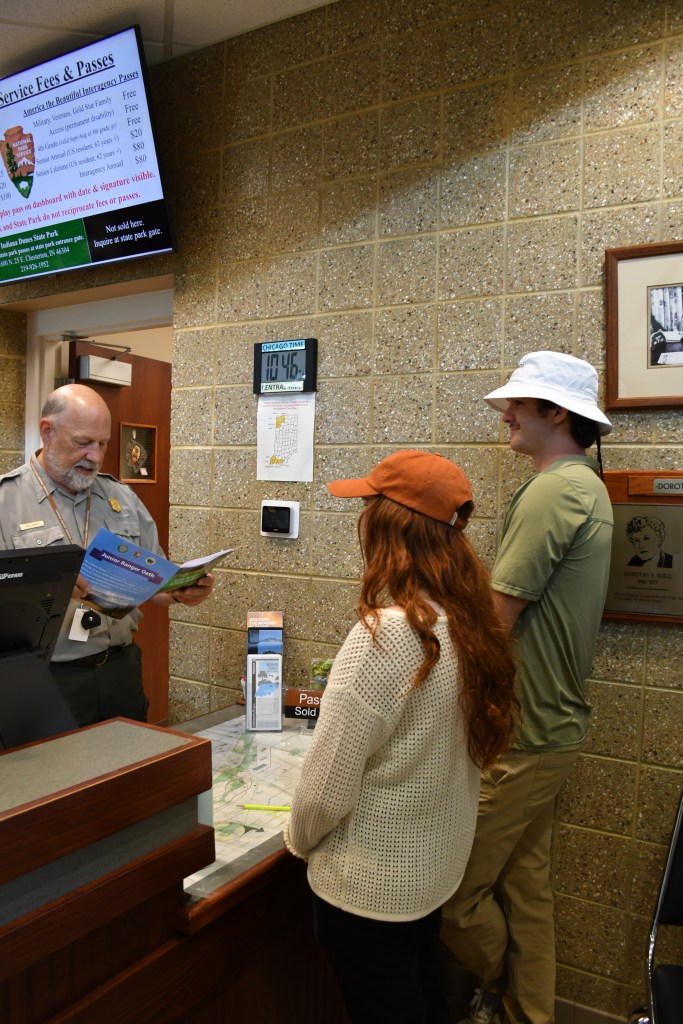
Junior Ranger Badge:
- Living Lakes
- Glaciers
- Homesteads
- Beach Ecology
- Water Safety
- Fresh Water Dunes
How to Get There:
This park is incredibly accessible as it is located less than 1.5 hours, depending on traffic, from Chicago O’Hare International Airport.
Where to Eat:
Lucrezia Café (428 S. Calumet Rd, Chesterton, IN 46304) was quaint, and delicious. As this was our last national park of our 5-park tour, this stop was a great way to celebrate our last day!
Where to Stay:
Hilton Garden Inn (501 Gateway Blvd, Chesterton, IN 46304) was clean and convenient. They have a bar and restaurant, and the staff were super friendly and helpful! There are also several campgrounds located within the national park.
What to Bring:
Beach towels and chairs are a must as well as mosquito repellent and sunscreen during the summer months. Depending on the beach you access, you may be climbing over a dune so be sure to wear appropriate footwear and be smart about the volume of items you intend to bring along.
Life jackets!
Winter can bring Lake Michigan’s shelf ice, which is a phenomenon we didn’t get to experience in June!
Remember:
Admission fees and collection sites vary by the park. Some collect fees upon entrance, and others do not charge unless you park your vehicle in certain locations. It is my incredibly strong opinion that they NEVER charge their worth.
Please donate to:
- Clear donation boxes at all visitor centers.
- Foundations established for the support of individual parks
- Write a check and mail it to the park headquarters (addresses found on NPS.gov websites)
Donations to the National Park Service and the National Parks Foundation are tax deductible!
If you want ranger patrols and response for your safety, clean restrooms, safe trails, informative visitor centers, ranger led programs, and parking – please do your part and DONATE!

1-Day Sample Itinerary
Indiana Dunes Visitor Center (Dorthy Buell)
Drive 15 mins. To Baily Homestead. Go west (Industrial area)
Portage Lakefront and Riverwalk. Visitor Center.
West Beach Trail (270 stairs) Diana of the Dunes. (Chicago Skyline) and Beach
Lakefront Drive – Pull off and take trail down to water. Views of the Coast.
Beverly Shores – Century of Progress Historic District
Mount Baldy – Largest Living Dune. Trail to the Beach (15 mins).

Posted: March 19, 2025
Visited: June 2024
 National Park Adventures